Introduction
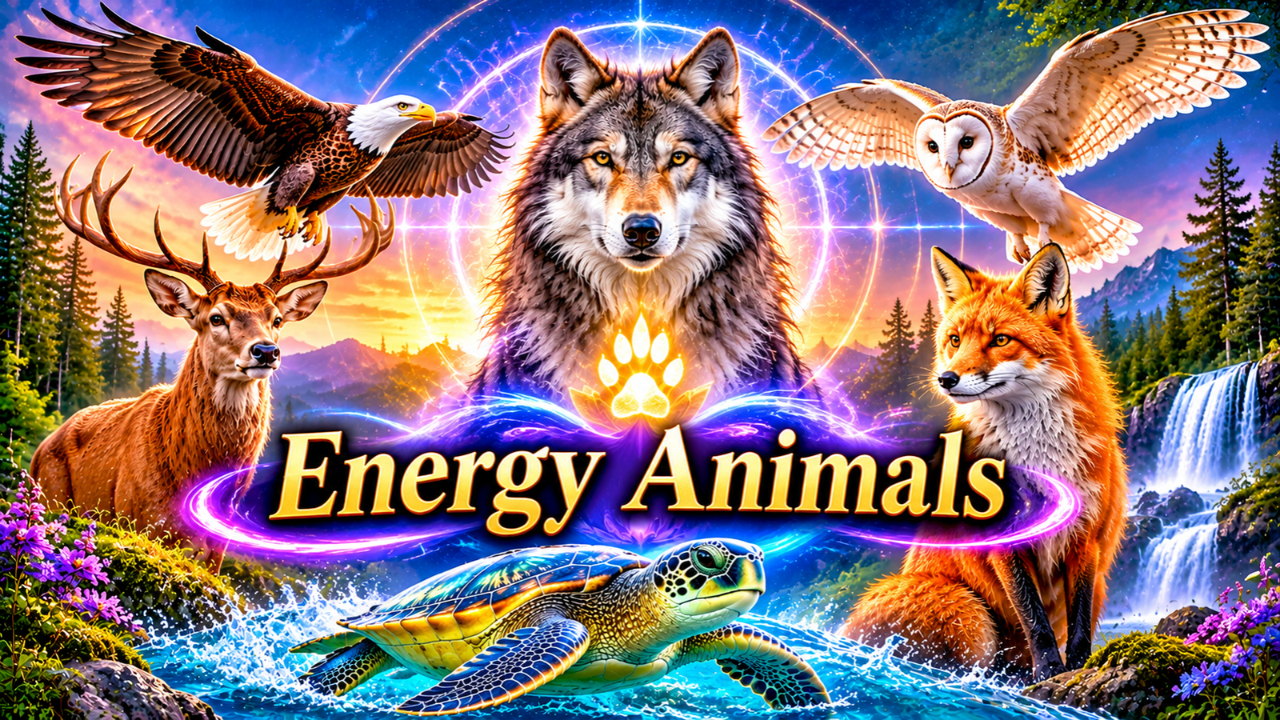
Animals have always played an important role in human life. Beyond their physical presence in nature, many cultures have associated different animals with particular qualities, emotions, and spiritual meanings. Some animals represent courage, while others are connected with wisdom, freedom, protection, or personal transformation. These symbolic connections are often explored through the concept of energy animals.
Energy animals are commonly understood as animals that represent certain emotional, spiritual, or personality-related qualities. People may feel drawn to a particular animal because its characteristics reflect something they admire, need, or recognize within themselves. For example, someone who values independence might connect with an eagle, while a person who appreciates loyalty may feel inspired by a wolf.
The idea of energy animals appears in modern spirituality, personal development, nature-based beliefs, and symbolic traditions. Although interpretations differ, the central theme is the connection between human experiences and the natural characteristics of animals.
In this guide, we will explore what energy animals mean, their symbolism, popular examples, and how people discover which animal best represents their personal journey.
What Are Energy Animals?
Energy animals are animals that people associate with particular qualities, feelings, characteristics, or symbolic meanings. They are sometimes described as spiritual guides, animal symbols, or representations of personal energy.
The word “energy” in this context generally refers to someone’s emotional state, personality, mindset, or spiritual outlook rather than measurable physical energy.
For instance, a butterfly is commonly associated with transformation because of its life cycle. A lion often represents confidence and leadership, while a turtle can symbolize patience and stability.
People use these associations in different ways. Some see them as spiritual connections, while others treat them as meaningful symbols that encourage reflection and personal growth.
It is important to understand that energy animals are not a scientific classification. Their meanings are based on cultural traditions, personal interpretations, and symbolic associations.
Why Are Energy Animals Important?
Energy animals can provide an interesting way to understand personality traits, emotions, and personal goals. Their symbolism encourages people to think about the qualities they value and the characteristics they want to develop.
There are several reasons why people explore energy animals.
- Self-awareness: Animal symbolism can help people reflect on their personalities, strengths, and weaknesses.
- Personal inspiration: Certain animals represent qualities that encourage people to become more confident or determined.
- Emotional reflection: Animal characteristics can provide a simple way to describe complicated feelings.
- Spiritual exploration: Some individuals include animal symbolism in their personal spiritual practices.
- Connection with nature: Learning about animals can increase appreciation for wildlife and the natural environment.
For many people, the value of an energy animal comes from the meaning they personally attach to it.
Popular Energy Animals and Their Meanings
Different animals are associated with different qualities. Although interpretations can vary between cultures and individuals, some symbolic meanings are widely recognized.
1. Wolf: Loyalty and Independence
The wolf is one of the most recognizable animals in symbolic traditions. It is commonly associated with loyalty, teamwork, intelligence, and independence.
Wolves live and hunt in social groups, demonstrating the importance of cooperation and communication. At the same time, they are capable of surviving in challenging natural environments.
People who connect with wolf symbolism may appreciate strong relationships while also valuing personal freedom.
Common symbolic meanings:
- Loyalty and commitment
- Strong instincts
- Independence
- Family connections
- Cooperation and leadership
2. Eagle: Freedom and Vision
The eagle represents freedom, ambition, strength, and a broad perspective. Its ability to fly at great heights has made it a powerful symbol in many cultures.
An eagle is often associated with looking beyond immediate problems and focusing on long-term goals.
People who feel connected to eagle symbolism may value independence, confidence, and the ability to overcome challenges.
Common symbolic meanings:
- Freedom
- Clear vision
- Ambition
- Confidence
- Personal strength
3. Lion: Courage and Leadership
The lion is traditionally associated with bravery, authority, and confidence. Its powerful appearance and social behavior have made it an important symbol of leadership throughout history.
Lion symbolism can encourage people to face difficult situations with determination.
It may also represent the importance of protecting loved ones and taking responsibility.
Common symbolic meanings:
- Courage
- Leadership
- Strength
- Confidence
- Protection
4. Butterfly: Transformation and Growth
The butterfly is widely recognized as a symbol of transformation. Its development from a caterpillar into a butterfly represents change, renewal, and new beginnings.
People often connect with butterfly symbolism during important stages of life, such as starting a new career, developing confidence, or moving beyond difficult experiences.
Common symbolic meanings:
- Personal transformation
- Emotional growth
- New beginnings
- Freedom
- Positive change
5. Owl: Wisdom and Awareness
Owls are frequently associated with knowledge, observation, and wisdom. Their ability to see and navigate in low-light conditions has contributed to their symbolic connection with mystery and awareness.
An owl can represent the importance of observing situations carefully before making decisions.
Common symbolic meanings:
- Wisdom
- Intelligence
- Awareness
- Observation
- Intuition
6. Bear: Protection and Strength
The bear is often connected with physical strength, confidence, protection, and independence.
In nature, bears demonstrate impressive survival abilities. Their seasonal behavior also contributes to associations with rest, patience, and renewal.
People who connect with bear symbolism may value emotional stability and the ability to protect themselves and others.
Common symbolic meanings:
- Protection
- Inner strength
- Confidence
- Patience
- Independence
7. Dolphin: Joy and Communication
Dolphins are commonly associated with intelligence, playfulness, communication, and social connections.
Their cooperative behavior makes them an interesting symbol of friendship and emotional connection.
Dolphin symbolism may appeal to people who value positive relationships and enjoy bringing happiness to others.
Common symbolic meanings:
- Happiness
- Friendship
- Communication
- Intelligence
- Emotional connection
8. Fox: Intelligence and Adaptability
The fox is often associated with cleverness, observation, and adaptability.
Foxes are known for adjusting their behavior to different environments. Their resourcefulness has made them popular symbols of creative problem-solving.
People who identify with fox symbolism may appreciate flexibility and the ability to find solutions in difficult situations.
Common symbolic meanings:
- Intelligence
- Creativity
- Adaptability
- Awareness
- Resourcefulness
Energy Animals and Their Symbolic Meanings: Quick Comparison
The following table summarizes some popular energy animals and the qualities commonly associated with them.
| Energy Animal | Main Symbolism | Commonly Represented Quality |
|---|---|---|
| Wolf | Loyalty and independence | Strong relationships |
| Eagle | Freedom and vision | Ambition |
| Lion | Courage and leadership | Confidence |
| Butterfly | Transformation | Personal growth |
| Owl | Wisdom and awareness | Knowledge |
| Bear | Strength and protection | Stability |
| Dolphin | Joy and communication | Friendship |
| Fox | Intelligence and adaptability | Creativity |
| Deer | Gentleness and sensitivity | Compassion |
| Horse | Freedom and movement | Determination |
These meanings are general symbolic interpretations, not fixed rules. An animal can represent something entirely different depending on personal experiences and cultural background.
How to Discover Your Energy Animal
Finding an animal that represents your personality or current life experiences can be a personal process. There is no scientifically established test that identifies one correct energy animal.
However, a few simple approaches can help you explore animal symbolism.
1. Notice Which Animals Attract Your Attention
Think about the animals you naturally admire. Perhaps you have always been interested in wolves, elephants, birds, or butterflies.
Consider what attracts you to these animals. Is it their strength, intelligence, independence, or behavior?
Your reasons may reveal something about the qualities you value.
2. Reflect on Your Personality
Consider your natural characteristics and how you respond to different situations.
For example:
- If you are independent, you might appreciate eagle symbolism.
- If you value family and loyalty, wolf symbolism may interest you.
- If you enjoy learning, you may connect with the owl.
- If you welcome change, the butterfly may feel meaningful.
- If you are adaptable, the fox may represent an important quality.
These connections are starting points for reflection rather than personality diagnoses.
3. Think About Your Current Life Situation
Sometimes an animal becomes meaningful because its symbolism relates to something happening in your life.
Someone experiencing a major change might appreciate the butterfly’s symbolism. Another person facing a difficult challenge might find inspiration in the lion’s courage.
Your connection may change as your experiences and priorities develop.
4. Learn About the Animal’s Real Behavior
Understanding an animal’s natural characteristics can make its symbolism more meaningful.
Read about its habitat, survival strategies, communication, and social behavior. This helps you appreciate the real animal instead of relying entirely on popular spiritual interpretations.
5. Keep an Open Mind
You do not need to choose only one energy animal. Different animals can represent different aspects of your personality.
For example, someone might connect with the eagle’s independence, the dolphin’s friendliness, and the bear’s protective nature.
The important part is finding personal meaning without treating symbolic interpretations as universal truths.
Energy Animals in Spirituality and Different Cultures
Animal symbolism has existed in human societies for thousands of years. Different communities have used animals in mythology, storytelling, religious practices, art, and traditional beliefs.
In some cultures, animals represent divine qualities, natural forces, protection, or relationships between humans and the environment.
However, it is important to recognize that not every cultural tradition understands animal symbolism in the same way.
Some Indigenous traditions have specific teachings and practices connected with animals. These traditions should not be treated as interchangeable with modern spiritual ideas about energy animals or generalized animal symbolism.
In other historical traditions, animals appeared as symbols of gods, rulers, seasonal changes, and important human qualities.
Today, many people explore animal symbolism through personal reflection, meditation, literature, and nature appreciation.
Learning about the original cultural context of an animal symbol can provide a deeper understanding and help avoid oversimplifying important traditions.
Can Your Energy Animal Change Over Time?
Yes, your personal connection with animal symbolism can change as your life develops.
People experience different responsibilities, challenges, relationships, and personal goals throughout their lives. An animal that once represented an important quality may eventually become less meaningful.
For example, someone who previously connected with the lion because of its courage might later feel more connected to the turtle because they value patience and a balanced lifestyle.
This does not mean that one connection was wrong. It simply reflects changing priorities and personal experiences.
Some people also connect with multiple animals simultaneously because different qualities are important in different areas of their lives.
Benefits of Exploring Energy Animals
Exploring energy animals can be an enjoyable way to learn about nature and reflect on personal qualities.
Some potential benefits include:
- Better self-reflection: Animal symbolism can encourage people to examine their habits and behavior.
- Positive motivation: Qualities such as courage, patience, and determination can provide inspiration.
- Greater appreciation for wildlife: Learning about animals can increase interest in conservation and natural habitats.
- Creative expression: Animal symbolism can inspire artwork, writing, journaling, and personal projects.
- Mindful thinking: Reflecting on animal characteristics can provide an opportunity to slow down and consider personal priorities.
These benefits depend on how individuals use the concept. Energy animals should be viewed as a symbolic or reflective practice rather than a replacement for professional advice or evidence-based approaches to personal development.
Frequently Asked Questions (FAQs)
1. What are energy animals?
Energy animals are animals that people associate with particular emotional, spiritual, or personality-related qualities. For example, lions commonly symbolize courage, butterflies represent transformation, and owls are associated with wisdom.
2. How do I find out what my energy animal is?
You can begin by considering which animals naturally attract your attention and what qualities you admire in them. Reflecting on your personality, experiences, and current goals can also help you identify meaningful animal symbolism.
3. Can a person have more than one energy animal?
Yes. Some people connect with several animals because different animals represent different qualities. For example, a wolf might symbolize loyalty, while an eagle represents independence and ambition.
4. Can your energy animal change throughout your life?
Yes. Your personal interpretation of animal symbolism can develop as your experiences, priorities, and goals change. An animal that once felt meaningful may eventually be replaced by another symbol.
5. Are energy animals scientifically proven?
No. Energy animals are not a scientifically established category, and there is no scientific test that identifies an animal connected to someone’s personal energy. They are generally explored through spirituality, cultural symbolism, and personal interpretation.
6. What is the difference between an energy animal and a spirit animal?
The terms are sometimes used similarly in modern spiritual discussions, but they are not necessarily identical. Energy animal is often used broadly for symbolic animal connections. The phrase spirit animal has specific meanings in certain Indigenous traditions, so it is important to respect those cultural contexts rather than treating the terms as universally interchangeable.
Final Thoughts
Energy animals offer an interesting way to explore the relationship between nature, symbolism, and personal identity. From the courage of the lion to the transformation of the butterfly, different animals represent qualities that people may find meaningful in their everyday lives.
Whether you connect with an eagle, wolf, owl, bear, or another animal, the experience can encourage self-reflection and a deeper appreciation of the natural world.
There is no single correct energy animal for everyone. The meaning depends on individual experiences, personal beliefs, and cultural understanding. By exploring animal behavior and symbolism with an open mind, you can discover ideas that inspire confidence, patience, creativity, and personal growth.