
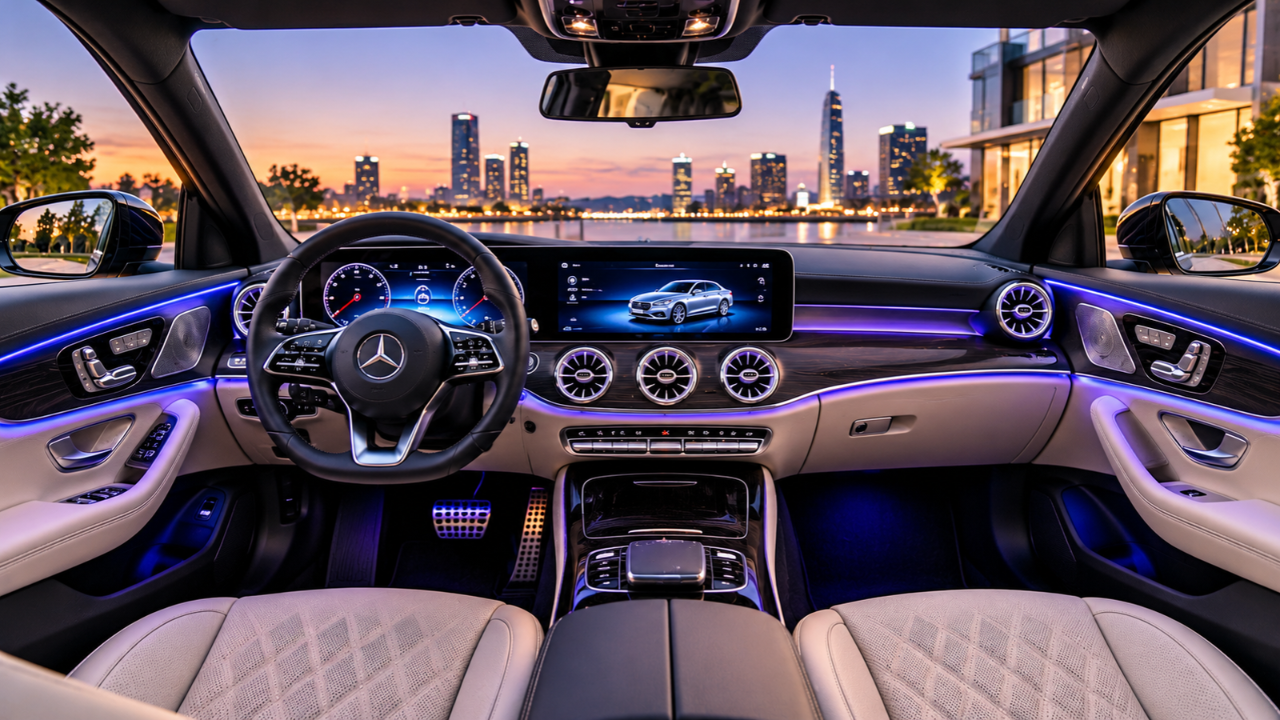
A car is more than just a way to travel from one place to another. It is a personal space where people spend time commuting, traveling with family, listening to music, and enjoying long road trips. While the exterior creates the first impression, the car interior plays an important role in determining how comfortable, practical, and enjoyable a vehicle feels.
A well-designed car interior combines attractive styling, comfortable seating, modern technology, and useful storage solutions. Whether someone owns a compact sedan, a family SUV, or a luxury vehicle, the interior can significantly influence the overall driving experience.
Today, automobile manufacturers focus on creating cabins that look stylish while offering convenience and safety. From touchscreen infotainment systems to climate control and premium upholstery, modern vehicles provide features designed to make every journey more enjoyable.
In this guide, we will explore different aspects of car interior design, important features, popular materials, maintenance tips, and ways to improve the appearance of your vehicle’s cabin.
What Is a Car Interior?
A car interior refers to the complete space inside a vehicle. It includes everything drivers and passengers interact with while sitting inside the cabin.
Some of the main components include:
- Dashboard and instrument panel
- Steering wheel and control buttons
- Seats and headrests
- Door panels and armrests
- Floor carpets and mats
- Center console and storage compartments
- Interior lighting
- Air conditioning and ventilation systems
- Infotainment and entertainment features
Every component has a specific purpose. Some improve comfort, while others support safety, convenience, and vehicle functionality.
A thoughtfully designed cabin makes driving easier and helps passengers feel relaxed, even during longer journeys.
Important Features of a Modern Car Interior
Modern vehicles offer many interior features that improve everyday driving. Although the available equipment depends on the manufacturer and vehicle category, several features have become increasingly common.
1. Comfortable Seating
Seats are among the most important parts of any vehicle interior. Drivers need proper support to maintain a comfortable driving position, especially during extended journeys.
Modern vehicles may include adjustable seats, lumbar support, heating, ventilation, and memory settings.
Common seat materials include:
- Fabric upholstery
- Leather
- Synthetic leather
- Alcantara-style materials
- Combination fabric and leather finishes
The best option depends on personal preference, climate, maintenance requirements, and budget.
2. Dashboard Design
The dashboard is one of the most noticeable elements inside a vehicle. It houses important controls, displays, and information systems.
Traditional dashboards usually feature physical buttons and analog gauges. Newer models increasingly use digital displays, touchscreen controls, and simplified layouts.
A good dashboard should provide easy access to essential information without distracting the driver.
3. Infotainment System
Entertainment technology has become an important part of the modern driving experience.
Many vehicles offer touchscreen systems with features such as:
- Bluetooth connectivity
- Smartphone integration
- Navigation
- Music streaming
- Voice commands
- USB connections
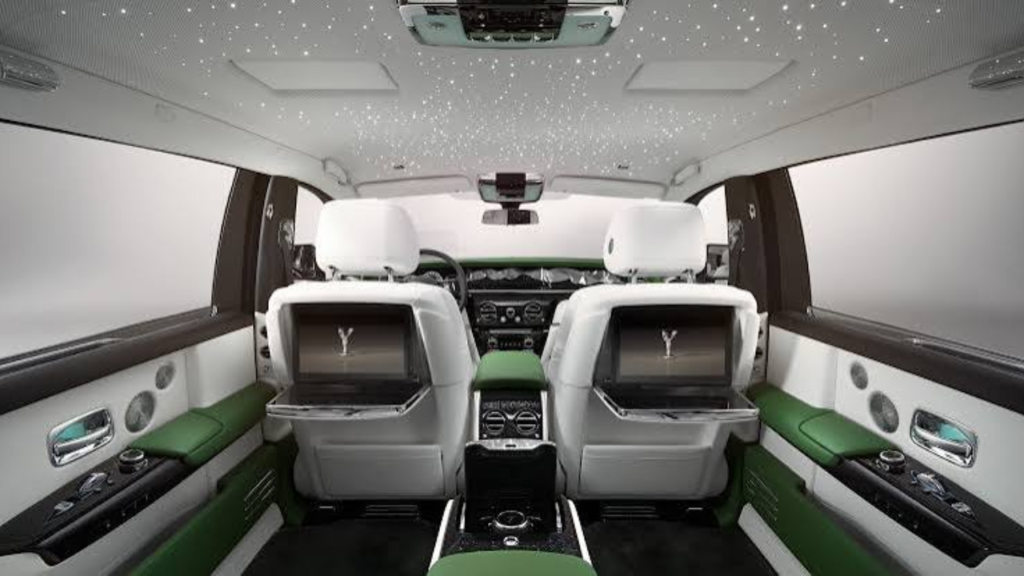
- Rear-seat entertainment in selected models
These systems help drivers stay connected and make journeys more convenient. However, drivers should avoid operating entertainment controls while the vehicle is moving.
4. Climate Control
A comfortable cabin temperature makes a significant difference, particularly during hot summers and cold winters.
Most modern vehicles include air conditioning and heating systems. Some also offer automatic climate control, allowing occupants to select their preferred temperature.
Dual-zone and multi-zone climate control systems allow different sections of the cabin to maintain separate temperature settings.
5. Interior Lighting
Interior lighting improves visibility and contributes to the cabin’s overall appearance.
Common lighting options include:
- Roof-mounted reading lights
- Dashboard illumination
- Door lighting
- Footwell lighting
- Ambient LED lighting
Some premium vehicles allow drivers to change ambient lighting colors according to their preferences.
Different Types of Car Interior Materials
The materials used inside a vehicle influence its comfort, appearance, durability, and maintenance requirements.
Manufacturers select materials according to the vehicle’s price category and intended purpose.
| Interior Material | Main Benefits | Maintenance |
|---|---|---|
| Fabric | Comfortable and affordable | Requires regular vacuuming |
| Genuine Leather | Premium appearance and feel | Needs conditioning |
| Synthetic Leather | Stylish and relatively practical | Easy to wipe clean |
| Alcantara | Soft and sporty appearance | Requires careful cleaning |
| Plastic and Vinyl | Durable and economical | Simple cleaning |
| Wood Trim | Elegant decorative finish | Requires gentle care |
Choosing the right material depends on how the vehicle is used. Families with children may prefer easy-to-clean upholstery, while luxury car owners may prioritize premium finishes.
Popular Car Interior Design Styles
Interior design varies considerably between manufacturers and vehicle categories. Some cabins focus on simplicity, while others emphasize luxury or sporty styling.
Minimalist Interior Design
Minimalist interiors use clean dashboard layouts, simple controls, and uncluttered surfaces.
This approach creates an open appearance and helps reduce unnecessary visual distractions.
Manufacturers often combine neutral colors, smooth surfaces, and integrated technology to achieve this style.
Luxury Interior Design
Luxury cabins focus on comfort, high-quality materials, and attention to detail.
Common features include:
- Premium leather upholstery
- Soft-touch dashboard surfaces
- Wooden or metallic decorative trim
- Advanced sound systems
- Adjustable ambient lighting
- Heated and ventilated seats
These elements create a more refined environment for drivers and passengers.
Sporty Interior Design
Sport-oriented interiors often feature distinctive styling and driver-focused controls.
Popular elements include leather-wrapped steering wheels, supportive seats, contrast stitching, metallic accents, and digital performance displays.
The goal is to create an environment that feels engaging without sacrificing everyday comfort.
How to Make Your Car Interior Look Better
You do not necessarily need an expensive vehicle to enjoy an attractive cabin. A few practical improvements can make an ordinary interior look cleaner and more appealing.
Here are some useful ideas:
1. Keep the Dashboard Clean: Remove dust regularly and use a suitable interior cleaner. Avoid products that leave excessive shine or create glare.
2. Upgrade the Floor Mats: Well-fitted floor mats can improve appearance while protecting the original carpeting from dirt and moisture.
3. Organize Storage Areas: Keep unnecessary objects out of the center console, glove compartment, and door pockets.
4. Improve Interior Lighting: Carefully selected LED lighting can create a modern atmosphere. Make sure additional lighting does not distract the driver.
5. Maintain the Upholstery: Clean seats according to their material type. Using the wrong cleaning solution may cause discoloration or damage.
6. Use a Suitable Car Fragrance: A mild fragrance can make the cabin more pleasant. Avoid strong scents that may bother passengers.
Small changes can produce noticeable improvements without requiring a complete interior renovation.
Car Interior Cleaning and Maintenance Tips
Regular cleaning helps protect interior materials and maintains a pleasant environment.
Dust, food particles, moisture, and sunlight can gradually affect the appearance of the cabin. A simple maintenance routine can prevent many common problems.
Clean the Dashboard and Door Panels
Use a soft microfiber cloth to remove dust from dashboard surfaces, door panels, and other plastic components.
Choose a cleaner specifically designed for automotive interiors. Avoid household chemicals unless the manufacturer confirms they are suitable.
Vacuum the Seats and Carpets
Vacuuming removes dust, crumbs, and other small particles that accumulate over time.
Pay attention to areas beneath the seats, around the center console, and near the door edges.
Take Care of Leather Seats
Leather requires appropriate cleaning and conditioning products.
For better results:
- Remove loose dust before applying cleaner.
- Use products designed for automotive leather.
- Avoid excessive moisture.
- Keep the seats away from prolonged direct sunlight when possible.
- Follow the vehicle manufacturer’s care recommendations.
Clean Windows and Mirrors
Interior glass can collect fingerprints, dust, and condensation marks.
Use an automotive glass cleaner and a clean microfiber cloth to maintain clear visibility.
Protect the Interior From Sunlight
Continuous exposure to sunlight can cause fading, cracking, and discoloration.
Consider using a windshield sunshade when parking outdoors. Parking in covered areas can also help protect the dashboard and upholstery.
Common Car Interior Problems
Even well-maintained vehicles can develop interior problems over time.
Understanding common issues can help owners identify them early.
| Common Problem | Possible Cause | Recommended Solution |
|---|---|---|
| Cracked dashboard | Sunlight and heat exposure | Use suitable protective products |
| Unpleasant odor | Spills, moisture, or dirty carpets | Deep clean and dry the cabin |
| Stained seats | Food and liquid spills | Use material-specific cleaners |
| Loose interior trim | Worn clips or fasteners | Arrange proper inspection |
| Faded upholstery | UV exposure and aging | Use suitable protective treatments |
| Scratched plastic panels | Improper cleaning or contact | Consider professional restoration |
Not every interior problem requires expensive repairs. However, damaged electrical controls, airbags, seat mechanisms, and safety-related components should be inspected by qualified professionals.
How Much Does It Cost to Upgrade a Car Interior?
The cost of improving a vehicle’s interior depends on the type of upgrade, vehicle model, materials, and local labor charges.
Simple improvements are generally more affordable than complete upholstery replacement or custom interior modifications.
Some common upgrades include:
- New seat covers
- Custom floor mats
- Steering wheel covers
- Interior LED lighting
- Dashboard accessories
- Upholstery restoration
- Professional interior detailing
Before purchasing accessories, check their compatibility with your vehicle.
Avoid modifications that interfere with airbags, seatbelts, pedals, visibility, or essential controls. Safety should always come before appearance.
Car Interior Trends in Modern Vehicles
Automotive interior design continues to evolve as manufacturers introduce new technology and materials.
Several trends are influencing the way modern cabins are designed.
Larger Digital Displays: Digital instrument clusters and infotainment screens are becoming increasingly popular.
Wireless Connectivity: Wireless smartphone integration and charging systems help reduce cable clutter.
Sustainable Materials: Some manufacturers are exploring recycled fabrics, plant-based materials, and alternative upholstery options.
Improved Cabin Lighting: Ambient lighting systems offer more customization and create a distinctive atmosphere.
Better Sound Insulation: Improved insulation materials help reduce road noise and create a quieter driving environment.
Smart Storage Solutions: Manufacturers are finding new ways to make cabin storage more practical without reducing passenger space.
These developments show how interior design is becoming an important part of the overall vehicle experience.
FAQs About Car Interior
1. What are the most important parts of a car interior?
The most important components include seats, dashboard, steering wheel, infotainment system, climate controls, door panels, floor mats, and storage compartments. Together, they influence comfort, convenience, and usability.
2. How often should I clean my car interior?
Light cleaning should ideally be done every week or two, depending on how frequently you use your vehicle. Vacuuming, wiping surfaces, and cleaning windows regularly can prevent dirt from accumulating. A deeper cleaning may be needed every few months.
3. Which material is best for car seats?
There is no single best material for every driver. Fabric is generally affordable and comfortable, while genuine leather offers a premium appearance. Synthetic leather provides another option for people who prefer a leather-like finish with relatively simple cleaning.
4. How can I protect my car interior from sunlight?
Use a windshield sunshade, park in shaded areas, and apply appropriate UV-protective products to compatible surfaces. Regular care can help reduce fading, cracking, and other sun-related damage.
5. Can I upgrade my car interior without spending too much?
Yes. Simple upgrades such as quality floor mats, seat covers, interior cleaning, and better storage organization can improve the cabin without requiring major expenses.
6. Why does my car interior smell bad?
Unpleasant odors can result from food spills, moisture, dirty carpets, air conditioning problems, or accumulated dust. Cleaning the affected areas and checking the cabin air filter may help. Persistent odors should be investigated to identify their source.
Final Thoughts
A well-maintained car interior makes every journey more comfortable and enjoyable. From supportive seating and practical storage to modern technology and attractive materials, every detail contributes to the overall driving experience.
You do not need to own an expensive vehicle to enjoy a beautiful cabin. Regular cleaning, suitable accessories, and thoughtful upgrades can make a significant difference.
Whether you want to improve comfort, protect upholstery, update the dashboard, or simply keep your vehicle looking fresh, taking care of the interior is a worthwhile investment.
Ultimately, the best car interior is one that combines comfort, functionality, durability, and personal style while keeping safety at the center of every decision.
Also Read: Marshall Trenkmann: Biography, Career, Wife, Family, and Life Beyond the Spotlight