
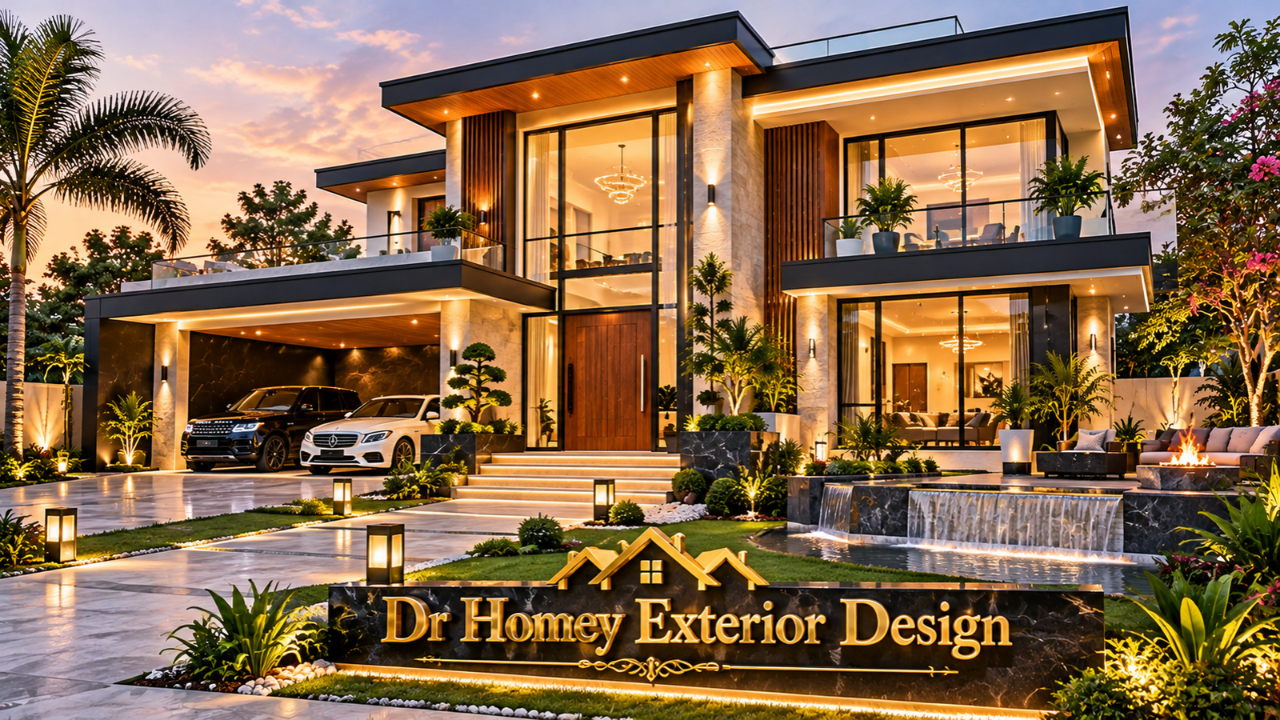
The exterior of a house creates the first impression long before anyone steps through the front door. A thoughtfully designed exterior can make a property look welcoming, stylish, and well-maintained. Whether you own a small family house or a spacious modern property, choosing the right design elements can completely transform its appearance.
Dr Homey exterior design is a search term associated with ideas for improving the outside appearance of residential properties. It brings together popular home improvement concepts, including modern architecture, attractive color combinations, landscaping, exterior lighting, and practical outdoor features.
A beautiful exterior is not simply about expensive materials or complicated architectural details. Sometimes, changing the paint color, upgrading the entrance, or improving the garden can make a remarkable difference.
In this guide, we will explore exterior design ideas, popular materials, practical improvements, budgeting considerations, and useful tips to help homeowners create an attractive and functional outdoor space.
What Is Dr Homey Exterior Design?
Dr Homey exterior design can be understood as an approach to exploring home exterior inspiration and improvement ideas. The focus is on combining visual appeal with comfort, durability, and everyday functionality.
Rather than concentrating on a single architectural style, this approach encourages homeowners to consider different elements that contribute to a complete exterior appearance.
These elements may include:
- Exterior wall colors and finishes
- Front door and entrance designs
- Roofing materials and architectural details
- Garden landscaping and outdoor greenery
- Pathways, driveways, and patios
- Exterior lighting and decorative features
- Windows, balconies, and outdoor seating areas
The goal is to create a balanced exterior where every feature complements the overall design.
For example, a modern house with neutral walls might look more attractive with natural wooden accents, black window frames, and carefully positioned outdoor lighting.
Similarly, a traditional home can gain a refreshed appearance through updated paint, improved landscaping, and a more welcoming entrance.
It is important to distinguish general design inspiration from verified services or products. The ideas discussed here are practical exterior design principles rather than claims about a specific company’s offerings.
Why Exterior Design Matters for Every Home
Many homeowners spend considerable time decorating their living rooms, bedrooms, and kitchens. However, the exterior deserves similar attention because it influences both the appearance and functionality of a property.
A well-designed exterior provides several benefits.
Creates a Strong First Impression
The outside of a house is the first thing visitors and neighbors notice. Clean walls, attractive landscaping, and a well-maintained entrance can make even a simple home look impressive.
Good exterior design also creates a sense of harmony between the building and its surroundings.
Supports Property Value
Exterior improvements can contribute to a property’s market appeal. Buyers often notice the condition of the roof, walls, windows, garden, and entrance before examining the interior.
Although renovations do not guarantee a specific increase in resale value, thoughtful upgrades may help a property stand out.
Improves Everyday Comfort
Exterior design is not only decorative. Features such as shaded patios, covered entrances, outdoor seating, and well-planned walkways can make a home more comfortable.
Proper exterior materials can also help protect the building from rain, sunlight, and temperature changes.
Popular Dr Homey Exterior Design Styles
Choosing an architectural style is one of the most important decisions when planning an exterior renovation. Different styles offer different visual characteristics and maintenance requirements.
Here is a comparison of several popular options.
| Exterior Style | Main Characteristics | Suitable For |
|---|---|---|
| Modern | Clean lines, large windows, neutral colors | Contemporary houses |
| Minimalist | Simple shapes, limited decoration, uncluttered surfaces | Small and medium homes |
| Traditional | Classic details, warm colors, familiar materials | Family homes |
| Farmhouse | Wood accents, welcoming porches, natural textures | Suburban and countryside homes |
| Mediterranean | Stucco walls, arches, warm earthy tones | Homes in suitable warm climates |
| Industrial | Metal details, concrete textures, darker colors | Urban-style properties |
Each style has its own advantages. The best choice depends on your property’s existing structure, local climate, personal preferences, and renovation budget.
Modern Exterior Design Ideas for a Stylish Home
Modern exterior design remains popular because it emphasizes simplicity, functionality, and attractive architectural details.
Homeowners interested in contemporary improvements can explore several ideas.
Neutral Color Combinations
Neutral shades provide a timeless appearance and work well with different building materials.
Popular combinations include white and charcoal, beige and brown, light gray and black, or cream with natural wood.
A light-colored exterior can create a fresh and spacious appearance, while darker accents can highlight doors, windows, and architectural features.
However, dark surfaces exposed to direct sunlight may absorb more heat, so climate should influence color selection.
Large Windows and Glass Features
Large windows are commonly associated with contemporary architecture. They can bring more natural light into interior spaces while creating a visual connection with the outdoors.
Black or dark-colored window frames can add contrast to light exterior walls.
When planning larger windows, homeowners should also consider privacy, insulation, solar heat gain, and local building requirements.
Natural Wood Accents
Wood can make a modern exterior feel warmer and more inviting.
It may be used around entrances, on selected wall sections, beneath roof overhangs, or as part of decorative screens.
Natural timber requires appropriate weather protection and ongoing maintenance. Wood-look composite materials may be an alternative for homeowners seeking a similar appearance with different maintenance needs.
Choosing the Best Exterior Colors
Color selection has a major influence on how a property looks. Even a simple house can appear more refined when its exterior colors are carefully coordinated.
The right palette should complement the building’s roof, windows, surrounding landscape, and architectural style.
Consider these combinations:
- White and black: A clean, contemporary appearance with strong contrast.
- Cream and brown: A warm combination suitable for traditional homes.
- Light gray and white: A soft, understated exterior.
- Beige and olive green: An earthy palette that works well with landscaping.
- Charcoal and natural wood: A bold modern appearance balanced by warmer textures.
Before painting the entire property, test a few colors on small exterior sections. Observe how they look in morning light, direct sunlight, and evening shade.
Paint colors can appear surprisingly different depending on lighting conditions and the texture of the wall.
Choosing an exterior-grade paint suitable for the local climate is equally important.
Landscaping Ideas That Complement Exterior Design
Landscaping can dramatically improve the overall appearance of a house.
A beautiful building may still look unfinished when the surrounding outdoor space lacks organization. Well-planned greenery, pathways, and decorative features can help connect the house with its environment.
One useful approach is to divide the outdoor area into functional zones.
For example, the front yard may feature a welcoming pathway and decorative plants, while the backyard may provide space for relaxation or family activities.
Simple Garden Improvements
You do not need a large garden to create an attractive outdoor environment.
Small improvements can include flower beds near the entrance, potted plants beside pathways, low-maintenance shrubs, and a neatly maintained lawn where appropriate.
For smaller spaces, vertical gardens and wall-mounted planters can introduce greenery without occupying much ground area.
Native or climate-adapted plants are often practical choices because they may require less watering and maintenance once established.
Walkways and Driveways
Walkways guide visitors toward the entrance and contribute to the visual structure of the landscape.
Concrete pavers, natural stone, brick, and gravel are common materials.
The ideal material depends on the available budget, drainage requirements, expected foot traffic, and desired appearance.
A walkway should be comfortable to use, properly drained, and sufficiently illuminated at night.
Exterior Lighting Ideas for a Beautiful Nighttime Appearance
Outdoor lighting is an important feature that homeowners sometimes overlook.
Proper lighting can make a property look attractive after sunset while improving visibility around entrances, pathways, and steps.
Several lighting options work well in residential settings.
Wall-mounted lights can illuminate entrances and highlight architectural details.
Pathway lights help people navigate garden paths and walkways.
Recessed lighting can create a subtle appearance beneath covered porches or roof overhangs.
Landscape spotlights can draw attention to selected trees, garden features, or textured walls.
Warm white lighting often creates a comfortable residential atmosphere. Extremely bright lighting may produce glare and disturb neighboring properties.
Energy-efficient LED fixtures and motion sensors can help reduce unnecessary electricity use.
For outdoor safety, choose weather-rated fixtures and have electrical work completed according to applicable codes.
Best Materials for Exterior Home Improvements
Selecting suitable materials is essential for long-lasting exterior design.
Outdoor surfaces experience sunlight, rain, wind, dust, and changing temperatures. Materials should therefore be selected for both appearance and performance.
Common options include:
- Brick: Offers a traditional appearance and can provide long-lasting exterior surfaces.
- Natural stone: Adds texture and a premium visual character.
- Fiber cement siding: Provides a range of finishes and can be a durable cladding option when properly installed.
- Stucco: Creates a smooth or textured finish and suits several architectural styles.
- Metal cladding: Can produce a contemporary appearance when designed with suitable weatherproofing.
- Wood: Adds warmth and character but generally requires periodic care.
Material selection should also account for installation quality, moisture management, structural compatibility, and local building regulations.
An attractive material that is unsuitable for the climate may create expensive maintenance problems later.
Budget-Friendly Dr Homey Exterior Design Ideas
Improving a home’s exterior does not always require a complete renovation.
Many noticeable upgrades can be achieved by focusing on smaller projects that offer a strong visual impact.
For homeowners working with a limited budget, it is often sensible to begin with cleaning, repairs, and cosmetic improvements.
For example, pressure washing suitable exterior surfaces, repainting the front door, replacing outdated house numbers, or adding coordinated planters can refresh the entrance.
Other affordable ideas include updating exterior light fixtures, repainting trim, organizing garden beds, and repairing damaged pathways.
Rather than making several unrelated changes, choose a consistent color palette and design direction.
A coordinated set of small improvements often looks better than expensive features that do not complement one another.
How to Plan an Exterior Renovation Step by Step
A successful exterior renovation begins with careful planning.
Without a clear plan, homeowners may spend money on features that later need to be changed or replaced.
The following process can help keep a project organized.
- Evaluate the current exterior. Identify damaged surfaces, drainage concerns, outdated finishes, and areas needing improvement.
- Define your design goals. Decide whether you want a modern appearance, improved functionality, easier maintenance, or a combination of these.
- Set a realistic budget. Include materials, labor, professional services, permits, and a contingency for unexpected costs.
- Choose a coordinated design. Select compatible colors, materials, lighting, and landscaping elements.
- Prioritize essential repairs. Address leaks, moisture problems, structural concerns, and other safety issues before decorative upgrades.
- Hire qualified professionals when necessary. Roofing, structural changes, electrical installations, and major facade work may require licensed or otherwise qualified contractors.
- Review the completed work. Check finishing details, drainage, lighting, and material installation before closing the project.
This approach helps reduce avoidable mistakes and encourages better long-term results.
Sustainable and Energy-Efficient Exterior Design
Sustainability is becoming an increasingly important consideration in residential design.
An energy-conscious exterior can help manage indoor temperatures, reduce unnecessary energy consumption, and improve comfort.
One effective strategy is to consider the building’s orientation and exposure to sunlight.
In warmer regions, carefully positioned shading devices, roof overhangs, and suitable glazing can help reduce unwanted solar heat gain.
Exterior insulation, when properly designed and installed, can also improve thermal performance.
Other environmentally conscious improvements may include efficient outdoor lighting, water-saving irrigation, permeable paving where appropriate, and durable materials that do not need frequent replacement.
Homeowners should also consider the long-term maintenance requirements of different products.
A lower-cost material that requires frequent replacement may become more expensive over time than a durable alternative.
Common Exterior Design Mistakes to Avoid
Even attractive design ideas can produce disappointing results when important details are overlooked.
One common mistake is choosing too many colors or decorative materials. Excessive visual variety can make a house appear cluttered rather than stylish.
Another issue is ignoring the existing architecture. A dramatic modern feature may look out of place when added to a traditional building without careful consideration.
Poor landscaping choices can also create maintenance problems. Plants that grow too large may obstruct windows, damage nearby surfaces, or require constant trimming.
Other mistakes include inadequate drainage, insufficient exterior lighting, unsuitable materials, and unrealistic renovation budgets.
A successful design should balance appearance with practical considerations.
How to Make a Small House Exterior Look More Attractive
Small houses can look elegant and visually spacious with thoughtful design choices.
The key is to avoid overcrowding the exterior with unnecessary features.
Light colors can create an open appearance, while darker accents around selected architectural details can provide contrast.
A simple entrance design, coordinated window frames, and a clean pathway can make the property feel organized.
Vertical design elements, such as tall narrow panels or carefully placed wall textures, may help emphasize the height of the building.
For compact front yards, a few well-chosen plants often work better than numerous oversized decorative features.
The overall objective is to create a balanced exterior that feels intentional and welcoming.

Frequently Asked Questions About Dr Homey Exterior Design
1. What is Dr Homey exterior design?
Dr Homey exterior design is a term people may use when searching for residential exterior inspiration, including facade improvements, color combinations, landscaping, lighting, and architectural ideas. It should not automatically be treated as a verified design service or specific architectural style.
2. Which exterior design style is best for a modern house?
Modern and minimalist styles are popular choices. They commonly feature clean architectural lines, coordinated neutral colors, large windows, and limited decorative details. The best style depends on the building and homeowner preferences.
3. How can I improve my home exterior on a small budget?
Start with affordable improvements such as repainting the entrance, updating lighting, cleaning exterior surfaces, adding potted plants, and repairing visible damage. These changes can refresh a property without major construction.
4. What are the best colors for exterior walls?
White, beige, cream, light gray, and earthy shades are versatile choices. Darker colors can work well as accents. Consider the local climate, roof color, architectural style, and surrounding landscape before deciding.
5. Does exterior design increase property value?
Well-maintained and visually appealing exteriors can improve buyer interest and overall market appeal. However, the financial return depends on the type of improvement, local property market, installation quality, and renovation costs.
6. How often should a home’s exterior be updated?
There is no universal schedule. Maintenance and repainting needs depend on climate, material quality, exposure, and existing conditions. Regular inspections can help homeowners identify repairs before they become more expensive.
Final Thoughts
Creating an attractive home exterior requires more than selecting fashionable colors or expensive decorative materials. The most successful designs combine appearance, functionality, durability, and personal preferences.
Dr Homey exterior design ideas can serve as a useful starting point for homeowners exploring modern facades, welcoming entrances, creative landscaping, and practical outdoor improvements.
Whether you are planning a complete renovation or a few affordable upgrades, begin with a clear vision and focus on improvements that complement your property’s existing architecture.
With careful planning, appropriate materials, and attention to detail, even a modest home can develop a beautiful exterior that remains appealing for years.
Also Read: Lydia Moynihan Husband: Is She Married? Personal Life, Relationships, and Career
One thought on “Dr Homey Exterior Design: Modern Ideas, Features, and Tips for a Beautiful Home”